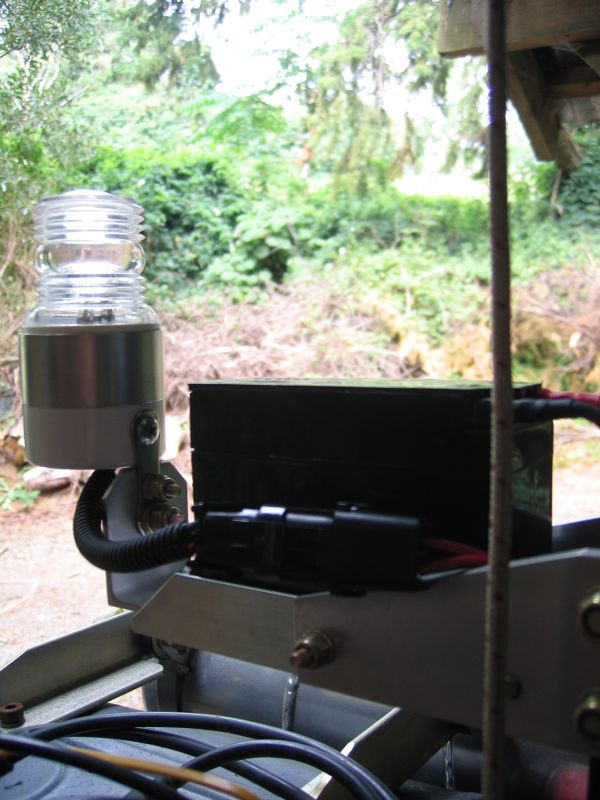
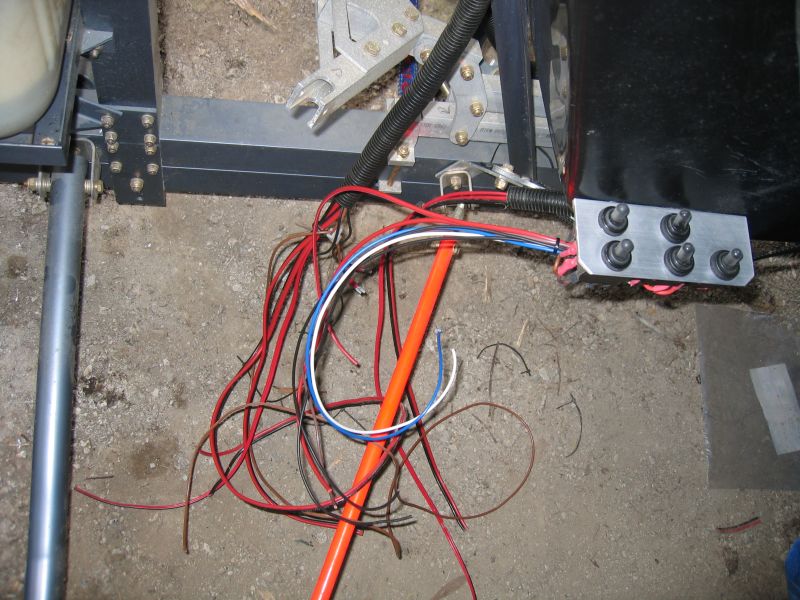
Starting putting plugs (Narva 2-pin waterproof connectors) on the trailing leads from the strobe and the landing light. Decided in the process to completely rebuild the strobe mounting bracket. Wiring now exists from the battery, strobe, landing light, pod and engine to the vague area of the switch panel, where there is a mess of unconnected trailing wire...
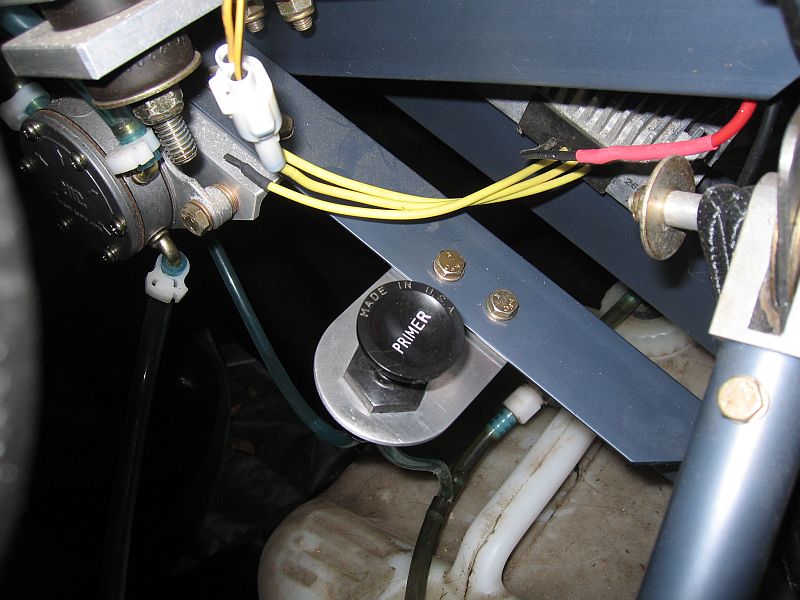
Have moved the primer aft on a newly-fabricated bracket, and finally managed to buy rubber boots which actually match the thread on the two magneto switches.
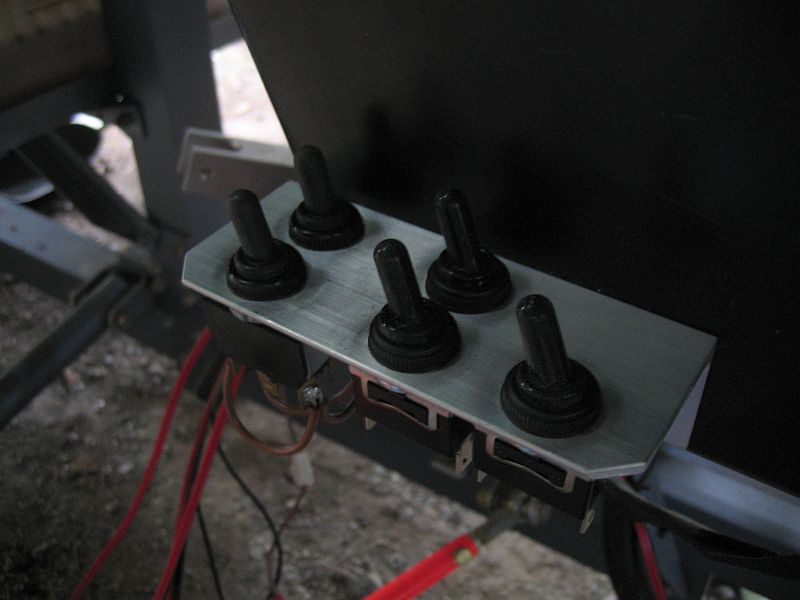
Started moving various wires into the conduits; and have devised a final route for these which is guaranteed to avoid both the rudder cables and the control tubes. Trying to keep DC power separate from the stuff carrying signal - all the engine instrumentation travels up the left; everything else lives on the RH side.
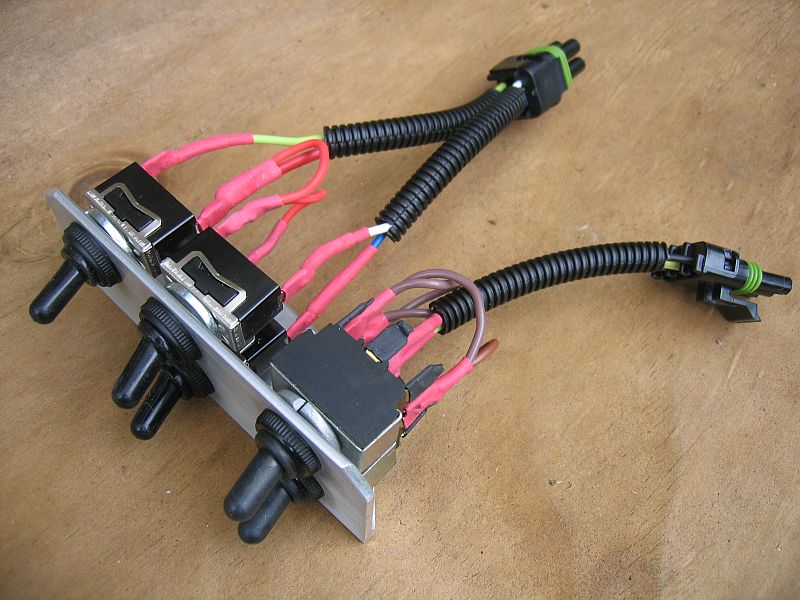
Our first Line Replaceable Unit - wired up the new switch panel.
Ordered a bundle of stuff - bolts; junction boxes; brass fuel fittings to replace the nylon stuff; a Hall-effect gear-tooth sensor... and a helmet.
Relocated the plug on the DC side of the voltage regulator. Like everything else, it can simply be unplugged, unbolted, and removed.
Removed the pod and Wired up the alarm LED for the EMS-503. Not exactly a major piece of work, but at least something got done tonight. The junction boxes have still not arrived. Grrgh.
Not happy with the black ABS enclosures intended for use as junction boxes - too flimsy for airborne use. Also not sure where or how to terminate the seven separate ground connections.
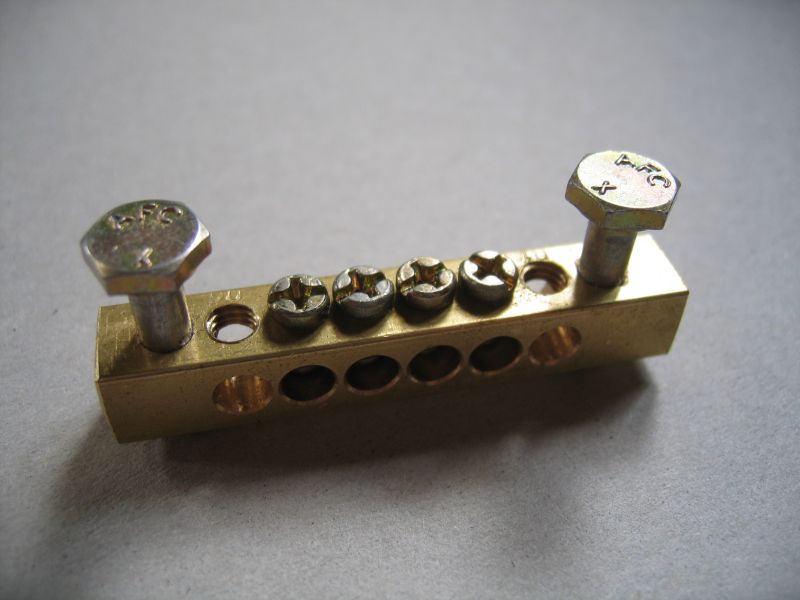
Purchasing at the local electrical trade outlet. Amongst other things, a brass busbar and a nicely-engineered plastic box. It's grey not black, but I'm just going to have to live with it.
After much agonising, rewired the switch panel. Tidied up the jumpering and replaced the plugs with long flying leads to terminate directly on the fuse block. Cut the busbar down to save weight and drilled it to take the ubiquitous AN3 bolts.
Then commenced the Long Afternoon from Hell. Electrical projects always involve terminating wires in awkward spaces. In this case 20 of them in a fiendishly awkward spot low-down and rendered almost inaccessible by the right landing gear. Identify the wire, trim it, strip it, tin it. Slip on some heatshrink. Remove the backshell from the spade connector, crimp and solder. Slide the heatshrink up and apply heat. Then force the thing where it don't want to go and where you can't get your fingers. Repeat...
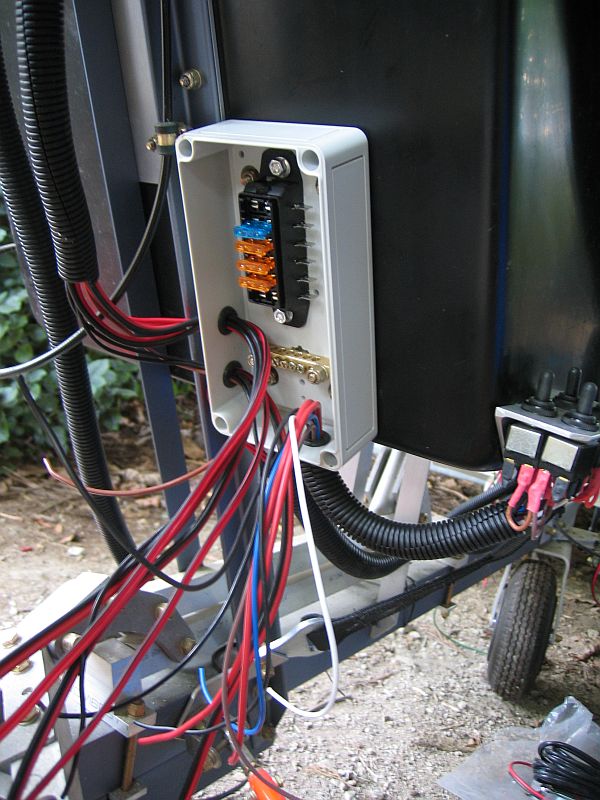
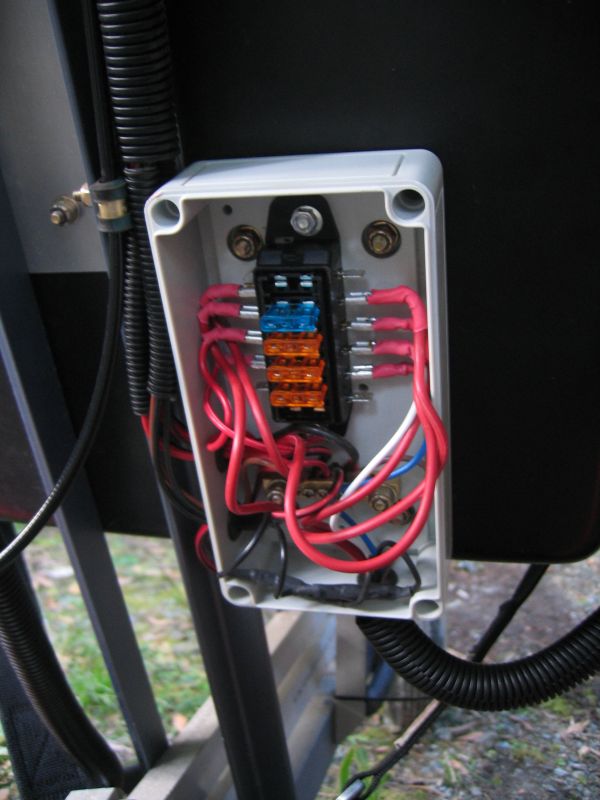
Success. Everything works and we've got twelve volts DC to the nose - next step, the pod.

On holiday.
Started the engine after two weeks away and verified that it is indeed running on both cylinders. Had been fooled by an air bubble in the rear fuel line into believing only the forward cylinder was running. Much relief.
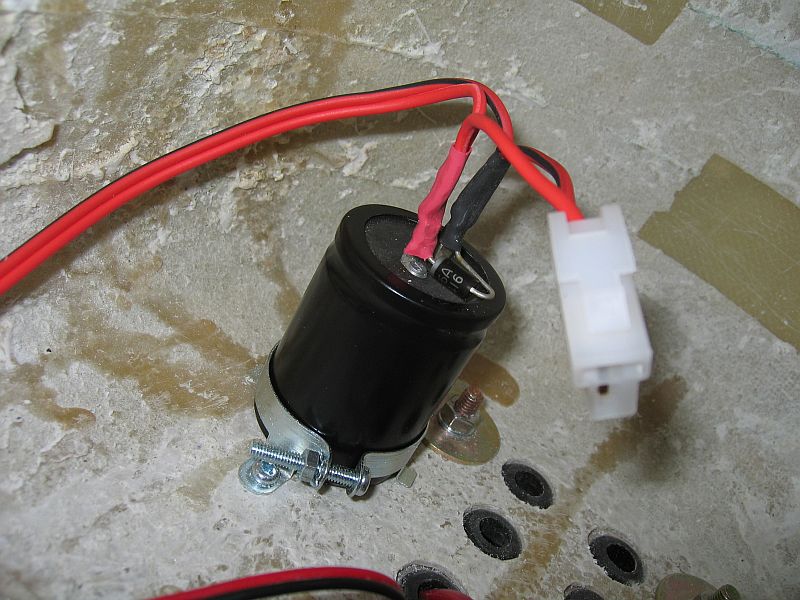
Drilled another four holes in the pod and its metal plate to take the wiring bundles, the pitot/static lines, and the antenna. Installed the massive capacitor required by the radio and the spike-suppressing "Transorb" diode required by the MGL instruments. Wired up the power to the latter before calling it a night.
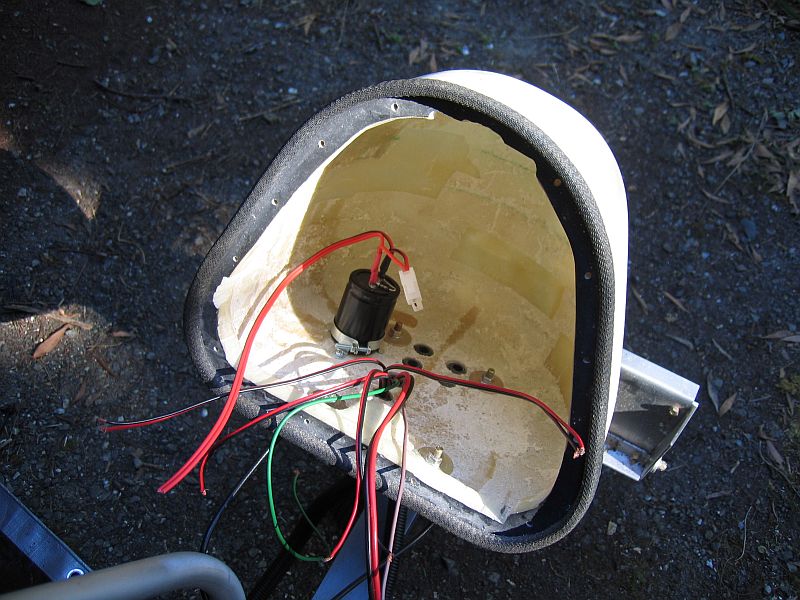
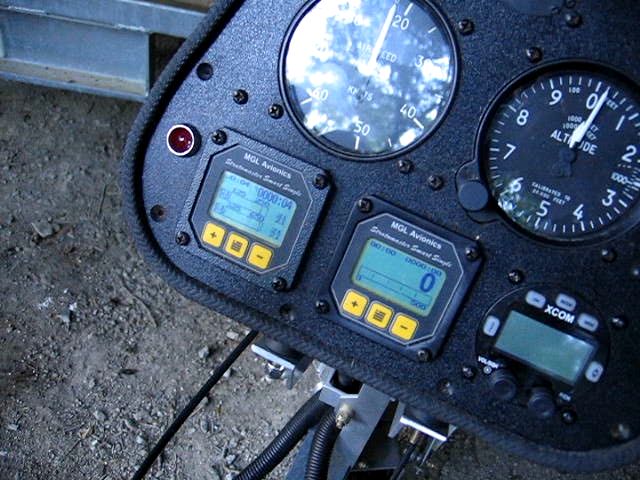
Drama for the day was the near-destruction of the EMS-503. As I removed the panel from the pod, the wiring attached to the back of the instrument snagged... ripping the cover and its terminals et al away from the rest of the beast. Staring at the two separate halves in horror, it became apparent that the instrument is assembled as a sandwich of three circuit boards, held together only via push-fit multi-way connectors. I managed to reassemble the stack, put it back in the housing and then drip Loctite over the rear to (hopefully) hold it together. It still works.
Connected up the 4 EGT/CHT thermocouple pairs and the rev counter. Started the beast and wondered why the indicated temperatures were abnormally low, and decreasing. I had the pairs reversed. Swapped over and everything is as it should be. As expected the forward cylinder runs slightly cooler than the rear due to the proximity of the fan. Next step, the break-in.
Started on the radio wiring tonight; but on balance am going to re-do it. (a) Not satisfied with the mechanical strength of the connections to the back of the plug and (b) think the wiring to the headset really ought to be independently shielded twin cores.


